Fun Ways to Teach Children About Dental Health at Home
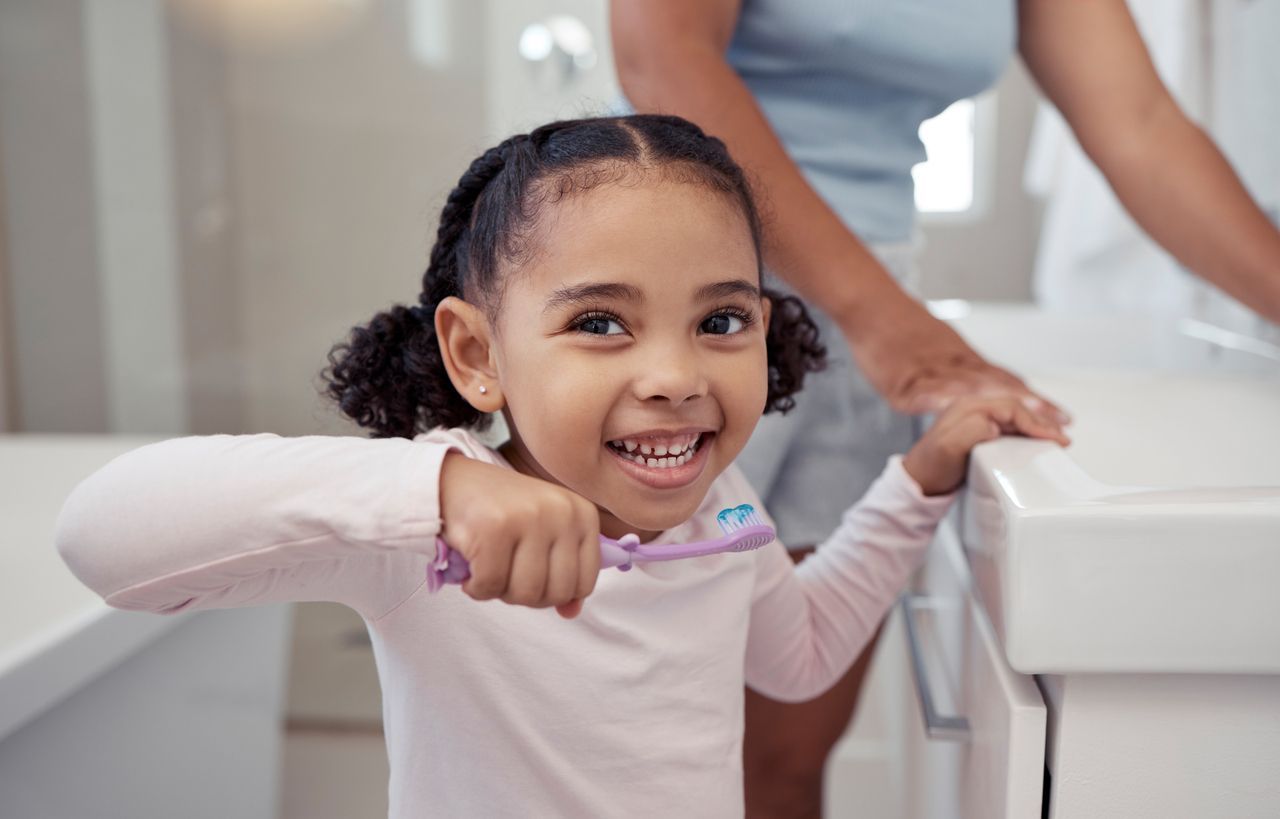
Sparkling smiles with creative dental teaching techniques
Teaching children how to care for their teeth is an important part of helping them build healthy habits that can last a lifetime. But for many parents, getting a child excited about brushing, flossing, or talking about cavities can be a challenge.
The good news is that learning about dental health doesn't have to feel like a lesson or a chore. Songs, games, stories, crafts, experiments, and even pretend play can help children understand why taking care of their teeth matters while making daily dental routines more enjoyable.
In this guide, we'll explore fun ways to teach children about dental health at home, along with the essential oral hygiene habits every child should learn as they grow.
What Should Children Learn About Dental Health?
Before diving into games and activities, it helps to know what you're trying to teach. Children don't need to understand all the science behind oral health, but they should gradually learn why we care for our teeth and what they can do each day to keep their mouths healthy.
Here are some of the most important concepts to introduce at home.
- Why we brush our teeth
- What cavities are - and how we help prevent them
- Why fluoride is important
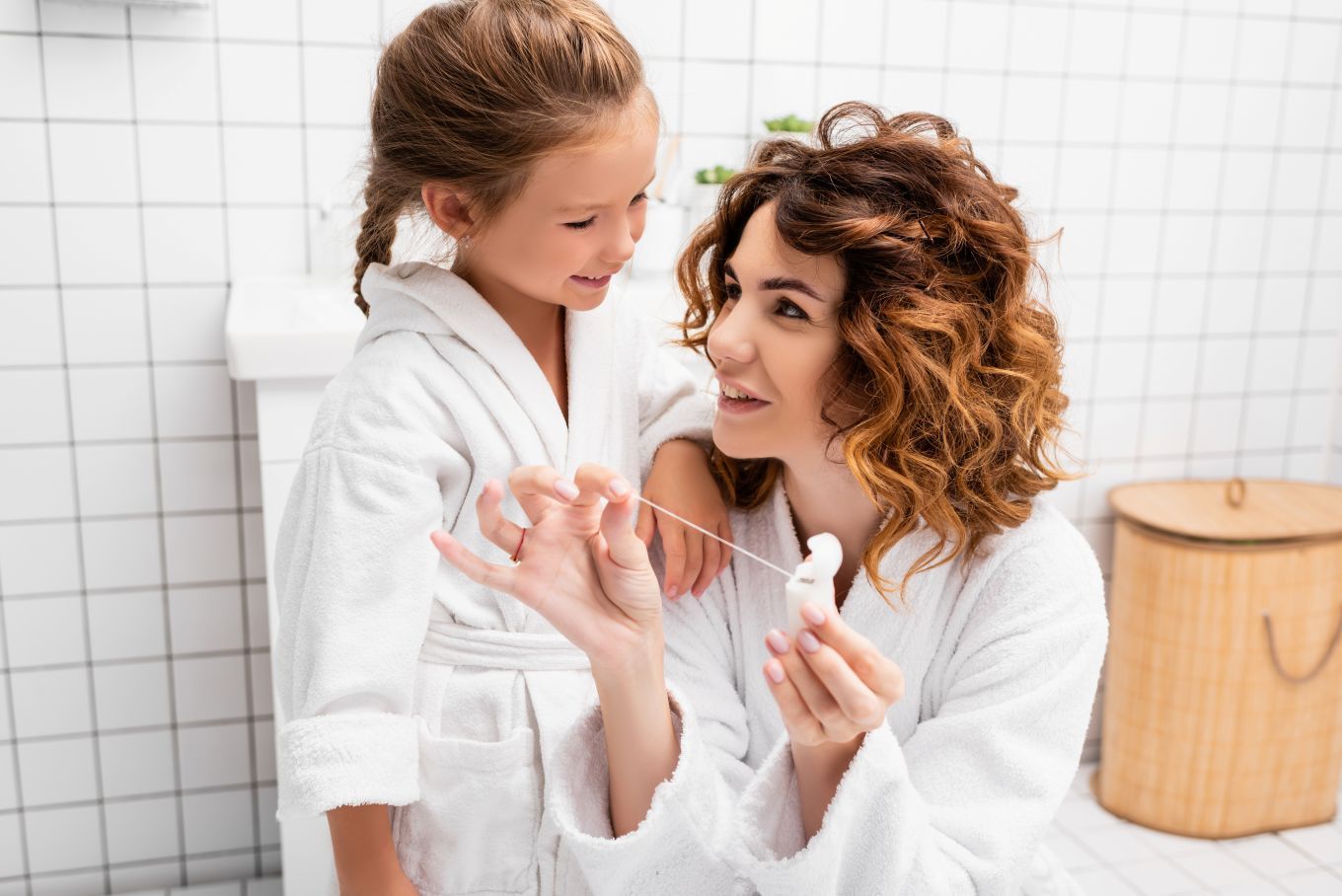
- Why we clean between our teeth
- How food and drinks affect teeth
- Why baby teeth matter
- Why we visit the dentist
Once children understand these basic ideas, you can reinforce them through activities that feel more like play than dental education. The key is choosing activities that match your child's age, interests, and developmental stage - and making healthy dental habits a consistent part of everyday family life.
Dental Health Basics by Age
Children learn about dental health differently as they grow. Using age-appropriate explanations and activities can make dental care easier to understand - and much more likely to become part of a child's everyday routine.
Key lessons for
babies and toddlers can include:
- We clean our teeth every morning and every night
- Toothbrushing helps keep our mouths healthy
- The toothbrush should move gently over all the teeth
- The dentist is someone who helps take care of our smiles
Helpful lessons for
preschoolers can include:
- Brush in the morning and before bed
- Brush every tooth, including the ones in the back
- Toothpaste helps protect our teeth
- We clean between our teeth because toothbrush bristles can't reach everywhere
- Some snacks and drinks are better choices for our teeth than others
- Visiting the dentist helps us keep our teeth healthy
Important lessons for the
early elementary years include:
- Brush for about two minutes, twice a day
- Clean the front, back, and chewing surfaces of each tooth
- Pay attention to the teeth in the very back of the mouth
- Use an appropriate amount of fluoride toothpaste
- Clean between teeth where a toothbrush may not reach
- Water is a smart everyday drink choice
- Frequent sugary snacks and drinks can increase the risk of cavities
Older elementary children and preteens can begin thinking more critically about choices such as:
- How often they drink sugary beverages
- Whether they are brushing thoroughly or rushing
- Whether they remember to clean between their teeth
- How orthodontic appliances, sports mouthguards, or other dental needs affect their routine
No matter your child's age, consistency is more important than perfection. When dental care is presented as a normal, positive part of daily life, children are more likely to develop habits they can carry into adolescence and adulthood.
Fun Activities to Try
Once children understand the basics of dental health, hands-on activities can help make those lessons stick. Games, stories, crafts, music, and pretend play can turn oral hygiene into something children actively participate in rather than something they are simply told to do.
Try a few of the ideas below and see which ones your child enjoys most.
1. Read Books About Teeth and Going to the Dentist
Storytime is an easy way to introduce dental health in a setting that already feels comfortable and familiar.
Look for books featuring characters who brush their teeth, lose a tooth, visit the dentist, or learn how to care for their smiles. Stories can help children understand what to expect and give parents a natural way to talk about oral hygiene without making the conversation feel like a lecture.
After reading, ask your child a few simple questions, such as:
- Why did the character brush their teeth?
- What happened at the dental visit?
- What could the character do to keep their teeth healthy?
- What do you do that is similar?
You can also encourage your child to retell the story using dolls, stuffed animals, or drawings.
For younger children, choose short books with colorful pictures and repetition. Older children may enjoy stories that explain cavities, tooth loss, or dental visits in more detail.
2. Turn Brushing Into a Music and Dance Activity
A two-minute brushing session can feel surprisingly long to a child. Music can make the time pass more quickly while helping children learn how long they should brush. Create a short brushing playlist with songs that last about two minutes, or use a timer while your child brushes along to a favorite song.
You can make the activity more engaging by:
- Letting your child choose the brushing song
- Creating separate morning and bedtime playlists
- Brushing together as a family
- Adding simple dance moves while staying in front of the sink
- Challenging your child to keep brushing until the song ends
For children who tend to rush, try dividing the song into sections. For example, spend part of the song brushing the top teeth, part on the bottom teeth, and part making sure the front, back, and chewing surfaces have all been cleaned.
For even more ideas, check out our guide to
recommended oral hygiene products for kids, which highlights toothbrushes and toothpaste designed to make brushing time both effective and fun.
3. Try Simple Dental Health Experiments
Children often understand dental concepts better when they can see them in action. Simple demonstrations can help explain ideas such as plaque, tooth enamel, brushing technique, and how different foods or drinks may affect teeth.
One easy activity is to use a model mouth, toy teeth, or even a drawing of a large smile. Add small marks with a washable marker or other safe material to represent plaque, then let your child practice brushing the marks away.
Another common classroom-style activity uses eggshells to demonstrate how substances may stain or affect a hard surface. If you try activities like this, explain that an eggshell is only a demonstration and is not the same as real tooth enamel.
The most important part of any experiment is the conversation that follows. Ask your child what they noticed, what surprised them, and how the activity relates to caring for their own teeth.
4. Make Dental Crafts
Craft projects can reinforce dental health lessons while giving children a chance to be creative.
Try making a large paper mouth using construction paper, then add individual paper teeth. Once the mouth is complete, children can practice "brushing" the teeth with an old toothbrush reserved for crafts. You can also use yarn to demonstrate cleaning between teeth. Place the yarn between the paper teeth and show how it reaches spaces a toothbrush may not.
Other dental craft ideas include:
- Decorating a homemade toothbrush holder
- Creating a tooth fairy pillow
- Drawing a "healthy smile" poster
- Making a brushing chart
- Designing a pretend dental office sign
- Creating a collage of foods and drinks that support healthy habits
Crafts work best when they connect back to a specific lesson. Rather than simply making a tooth-shaped project, talk about why teeth need cleaning, what enamel does, or why we clean between our teeth.
5. Set Up a Pretend Dental Office
Role-playing can help make dental visits feel more familiar, especially for younger children. Set up a pretend dental office using a chair, toothbrush, small mirror, stuffed animal, and any other safe items you already have at home. Let your child begin as the dentist while a stuffed animal serves as the patient. They can:
- Welcome the "patient."
- Count the patient's teeth.
- Pretend to look at the teeth with a mirror.
- Brush the teeth.
- Explain how the patient can care for their smile at home.
Then switch roles and let your child be the patient.
This type of play can help children become familiar with the idea of someone looking inside their mouth while also giving them a sense of control over the experience.
6. Play Dental Health Games
Games can turn repetition into something children look forward to. You can create simple dental games at home without buying anything special. For example, make a set of cards featuring different foods, drinks, and dental habits. Ask your child to sort them into categories or explain how each one may affect their teeth.
Other ideas include:
- Dental health bingo
- Tooth-themed trivia
- Matching games
- A brushing scavenger hunt
- "True or false" dental questions
- A healthy-habit memory game
- A race to put the steps of a brushing routine in the correct order
For younger children, keep the questions simple. Ask things like, "Do we brush before bed?" or "Can a toothbrush clean every space between our teeth?" Older children can tackle more challenging questions about plaque, cavities, fluoride, or food choices.
Digital games and apps can also be useful, but they should support - not replace - hands-on brushing and guidance from parents. Because apps can change or be discontinued, check availability, age recommendations, privacy settings, and current features before introducing one to your child.
7. Play a Healthy Foods Sorting Game
Snack time offers an easy opportunity to teach children how food and drinks relate to oral health. Create pictures or cards showing items such as water, milk, apples, carrots, cheese, candy, cookies, soda, and juice. Then ask your child to sort them into categories.
Instead of labeling foods strictly as "good" or "bad," use language such as:
- Everyday choices
- Foods we enjoy less often
- Drinks we sip regularly
- Treats we have sometimes
This helps children learn about balance without creating fear or guilt around food. As you sort, explain that frequent exposure to sugary foods and drinks can give cavity-causing bacteria more opportunities to produce acids that affect the teeth.
For more ideas, parents can explore our guides to
healthy eating habits for children's teeth and the
best and worst snacks for kids' dental health.
8. Create a Brushing Reward Chart
A simple reward chart can help children build consistency while they are learning a new routine. Create a chart with spaces for morning and nighttime brushing. Each time your child completes the routine, they can add a sticker, checkmark, or stamp.
Keep the focus on the habit rather than appearance or perfection. Reward actions such as:
- Brushing in the morning
- Brushing before bed
- Brushing for the full recommended time
- Letting a parent help when needed
- Remembering to clean between teeth
Consider using non-food rewards when a child reaches a goal. They might choose a bedtime story, pick a family game, earn extra playtime, or select the next brushing song.
As the habit becomes more established, gradually reduce the rewards. The long-term goal is for brushing to become a normal part of the child's routine rather than something they only do for a prize.
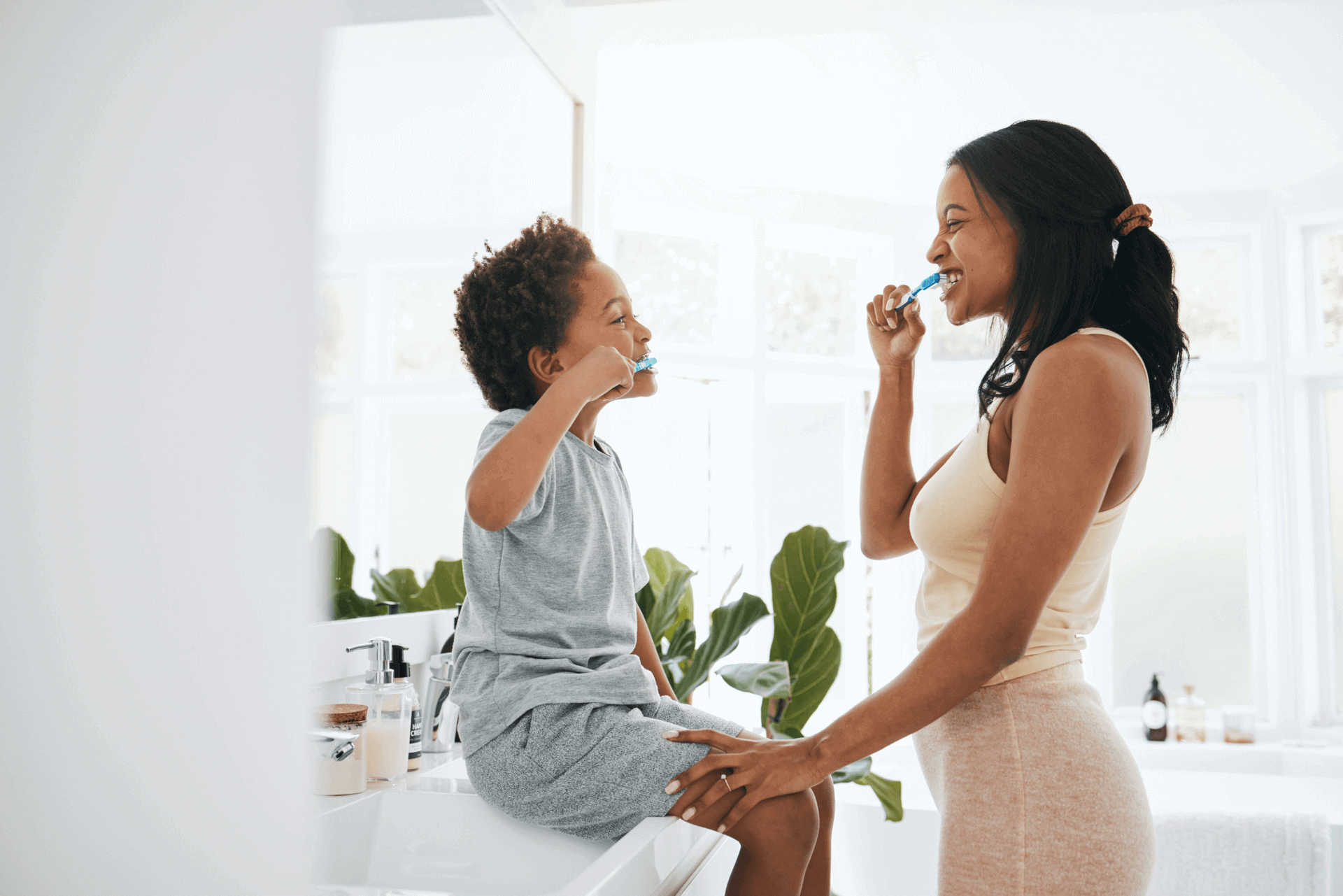
9. Brush Together as a Family
Children learn a great deal by watching the adults around them. Brushing together allows parents to model healthy habits while making the routine feel like something the entire family does - not something children are being singled out to complete.
Stand together at the sink and show your child how you move the toothbrush around your mouth. You can point out areas that are easy to forget, such as the back teeth or the inside surfaces.
Keep in mind that modeling does not replace parental assistance. Younger children often need adults to perform or finish brushing until they have developed the coordination needed to clean their teeth thoroughly.
Family brushing can also be helpful for children who resist the routine. Instead of repeatedly telling them to go brush, make it a shared habit: "It's brushing time for everyone."
10. Let Your Child Be the Dental Health Teacher
One of the best ways to reinforce a lesson is to ask a child to teach it to someone else. After learning about brushing, flossing, cavities, or healthy foods, encourage your child to become the "dental health expert" for a few minutes.
They might teach a stuffed animal how to brush, explain to a sibling why teeth need cleaning, or demonstrate the correct brushing routine on a toy.
Ask questions such as:
- Why do we brush our teeth?
- How long should we brush?
- What spots are easy to miss?
- Why do we clean between our teeth?
- What does toothpaste do?
- Why do we visit the dentist?
Do not worry if every answer is not perfect. The goal is to find out what your child understands and reinforce the key concepts in a relaxed way.
Get Your Child Excited About Dental Health With These Ideas
Teaching children about dental health doesn’t have to happen through lectures or constant reminders. Some of the most effective lessons can happen during everyday moments. The key is to keep dental care positive, consistent, and appropriate for your child’s age.
And remember, you don’t have to teach your child about oral health on your own.
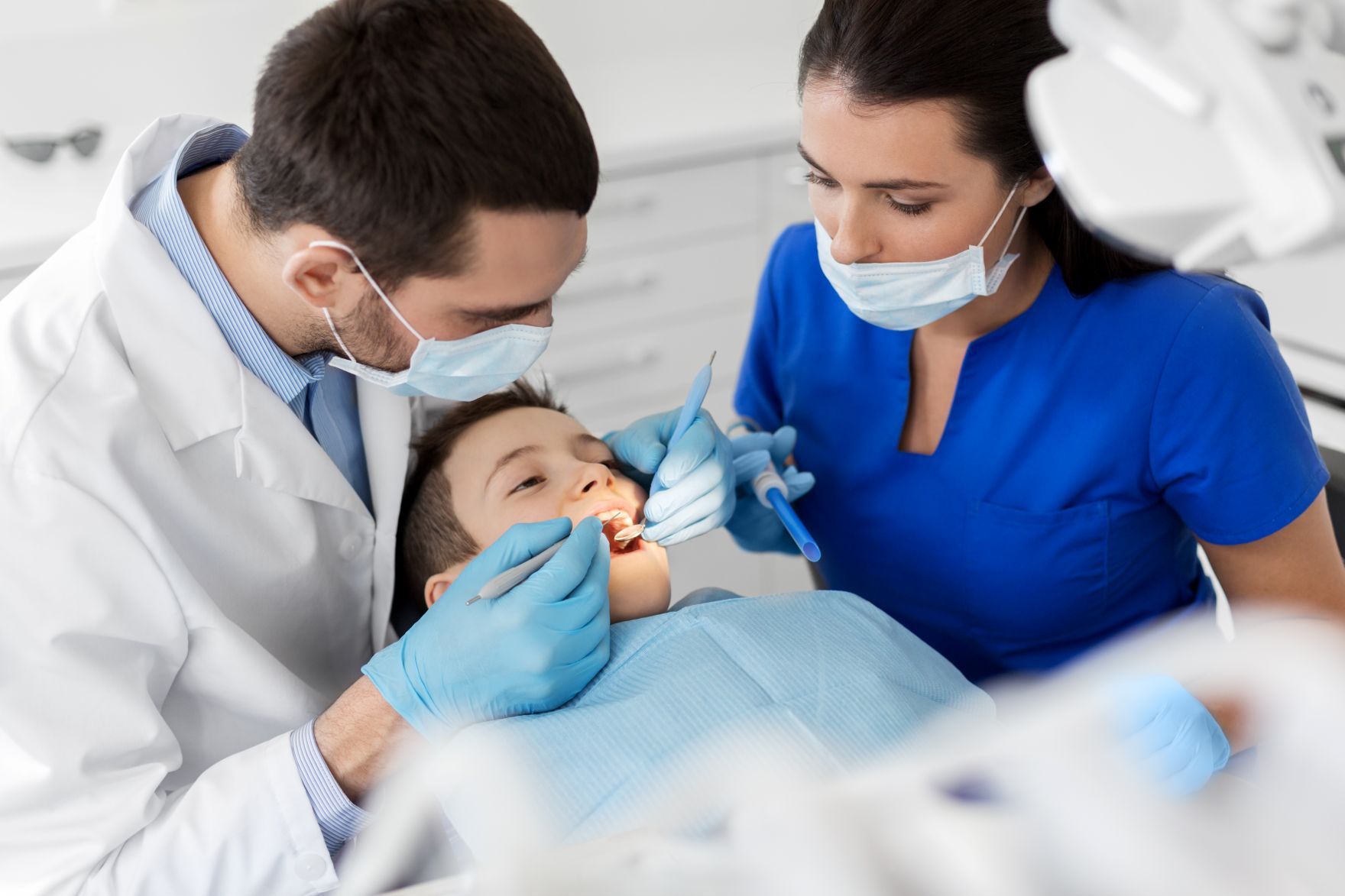
Regular dental visits give children another opportunity to learn about their teeth, practice healthy habits, and become more comfortable caring for their smiles.
If you have questions about your child’s teeth or would like additional guidance for their age and stage, the pediatric dental team at Village Kids Dentistry is here to help.
Contact our Fayetteville or Lumberton pediatric dental practices to schedule an appointment and help your child build the foundation for a lifetime of healthy smiles.